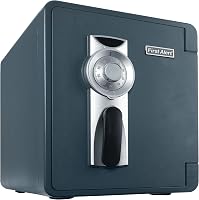
How to Open a First Alert Safe
To open a First Alert safe, turn the dial to your combination in the order the manual gives, or use the emergency override key if you don't have it. The key bypasses the dial, so a locked safe opens with the key as long as the lock works.
On this page (10 sections)
- How do you open a First Alert safe with a combination?
- Where is the emergency override key and how do you use it?
- What do you do when the combination won't open the door?
- Why won't the door move even with the right combination?
- How do you open a First Alert safe when the combination is lost?
- Which First Alert safe models use a combination dial?
- How does opening a First Alert safe compare with other brands?
- What should you do if the safe won't open at all?
- Which supplies help you keep a First Alert safe working?
- What's the reliable way to open a First Alert safe?
To open a First Alert safe, turn the dial to your combination in the order the manual gives, or use the emergency override key if you don't have it. The key bypasses the dial, so a locked safe opens with the key as long as the lock works.
Knowing how to open a First Alert safe comes down to two routes: the combination and the override key. Most stuck safes are a dial problem, not a broken lock.
Below are the steps, the key location, and what to check when the door won't move.
How do you open a First Alert safe with a combination?
Clear the dial, dial the numbers in order, then turn the handle. The dial goes one direction per number on some models and alternates on others, so follow the sequence in your manual.
Start by spinning the dial several full turns to clear it. Then turn to your first number and stop when it lines up with the index mark.
Move to the second number in the direction the manual states. Repeat for the third and fourth numbers, then land on the final one.
Turn the handle or knob firmly. The four live door bolts should retract and the door should swing open.
If the handle turns but the door stays shut, the bolts may be catching on the frame; see the stuck-safe section below.
The 2087F uses a four-number combination. A printed instruction manual ships in the box, so keep it in a drawer away from the safe rather than inside it.
Where is the emergency override key and how do you use it?
The override key opens the lock without the combination. On the 2087F it's one key, and the keyhole sits under a small cover on the lock face, usually next to the dial.
Pull the cover off, insert the key, and turn it while you turn the handle. The door should release the same way it does after a correct combination.
Press the cover back on afterward so the keyhole stays hidden. Store the key somewhere away from the safe and away from the combination, so a burglar who finds one doesn't get both.
The override key is the fastest fix for a forgotten combination. If the key is missing as well, contact First Alert support with your model number and serial number.
The 2087F model number is printed on the safe and on the included manual.
What do you do when the combination won't open the door?
Start the dial sequence over from a full clear turn. The usual cause is overshooting a number, especially when you're turning past it to land on the next one.
Turn slowly and stop exactly on each number. Rushing the dial is the most common mistake, and a small slip at the last number leaves the bolts locked.
Check the handle as you go. It should turn freely until the final number is entered, then engage the bolts.
A handle that feels stiff from the start suggests the lock is already partly set.
If a second careful attempt fails, use the override key to get in. Then reset or re-record the combination so you don't repeat the problem next time.
For a safe whose dial feels worn or gritty, note the model number and call First Alert support. A lock that needs a technician is a job for the maker, not a locksmith's drill.
Why won't the door move even with the right combination?
The bolts are probably binding against the door frame or a floor. Fire safes are heavy and the door can settle, which presses the bolts against the opening.
Try lifting the handle slightly as you turn it, or pressing the door inward before turning. A little pressure often frees a bolt that's caught on the frame.
Check for debris in the bolt channel and along the door edge. A small object caught in the gap can stop the door from swinging even when the lock releases.
If the safe is bolted down or sitting on an uneven floor, the frame may be twisted. The 2087F is freestanding and can be used on a tabletop or floor, so check that it sits level.
Don't force the handle. If it won't move after a couple of gentle attempts, stop and try the key before applying more force.
How do you open a First Alert safe when the combination is lost?
Use the override key first. It's the intended backup and it opens the 2087F without the combination.
Keep the key out of the safe so it's always available when you need it.
If the key is gone too, call First Alert support. Give them the model number and serial number so they can confirm what you have and tell you the options.
A replacement key may be available through the maker.
A locksmith is the last resort. Drilling a fire safe can damage the fire insulation and the waterproof seal, which defeats the point of owning one.
Try the maker's support first.
After you regain access, write the combination on a card and store it somewhere secure outside the safe. Don't tape it to the safe itself.
Which First Alert safe models use a combination dial?
The 2087F is the dial model most buyers mean when they ask about opening a First Alert safe. It has a four-number combination lock and one emergency override key.
The safe is 0.94 cubic feet, with outside dimensions of 14.5 x 19 x 16.5 inches and a weight of 76.3 lb. Inside there's one adjustable, removable shelf.
First Alert lists it as UL Classified for 1-hour fire resistance up to 1700°F, keeping the interior under 350°F.
It also carries a waterproof rating. The door uses four live bolts and concealed hinges that resist prying.
Those are the bolts that retract when the combination is entered correctly.
Some First Alert models use a keypad instead of a dial. The opening routine is different: you press the code, then turn the knob.
If your safe has buttons rather than a dial, use the keypad steps in its manual. Our look at First Alert fireproof safes covers how the fire-rated models differ.
How does opening a First Alert safe compare with other brands?
Dial safes from SentrySafe and First Alert open the same way: clear the dial, enter the numbers in order, turn the handle. The difference is in the lock feel and the backup options.
The SentrySafe FPW082KSB uses a dial combination with an override key, much like the 2087F. It's UL Classified for 1 hour at 1700°F and ETL Verified for water resistance in up to 5 inches of water for 24 hours.
At 0.81 cubic feet it's slightly smaller than the 2087F.
Electronic safes work differently. The Amazon Basics 34 L model uses a programmable keypad with a backup key for emergency access.
There's no dial to clear, so opening is a code entry and a turn.
If you're deciding between the two fire-safe brands, our SentrySafe vs First Alert comparison breaks down the differences. For a keypad alternative to a dial, see the SentrySafe SFW123GDC review.
What should you do if the safe won't open at all?
Try the override key, then the combination again, then call the maker. Work through those three steps in order before considering anything more drastic.
Use the key with the handle turned firmly but not forced. If the key turns but the door stays shut, the bolts are likely stuck on the frame rather than the lock.
If the key won't turn at all, the lock mechanism itself may need service. Contact First Alert support with the model and serial number.
A stuck dial on a fire safe is a repair job for the maker, not a DIY drill.
Once you're in, test the combination a few times with the door open. That confirms the dial works before you close and lock it again.
A quick test now saves a second lockout later.
Which supplies help you keep a First Alert safe working?
A fire safe needs little upkeep, but a few small items make opening easier and keep the combination safe. Keep the manual and the override key together somewhere outside the safe.
A small key hook or key box mounted in a closet keeps the override key findable. A card holder for the combination keeps the code from getting lost.
These are simple, cheap additions rather than gear you must buy. The main thing is to store the key and the code away from the safe, so neither is locked inside.
If you're also comparing brands for a new safe, our do fireproof safes work guide covers another option in the same category. For a waterproof model like the 2087F, keep the door seal clean so the water protection holds up over time.
What's the reliable way to open a First Alert safe?
The reliable routine for how to open a First Alert safe is: clear the dial, land on each number in order, then turn the handle. If that fails, the override key opens it without the code, so keep the key outside the safe and within reach.
Pick the 2087F if you want a dial safe with a fire rating and a waterproof seal. Pick the SentrySafe FPW082KSB for a slightly smaller dial safe with a longer water-resistance rating.
Pick the Amazon Basics keypad safe if you'd rather enter a code than turn a dial.
Store the combination and the key in two separate places, and test the dial with the door open now and then. That habit prevents most lockouts, and it means you never need to drill a fire safe you paid good money for.
Frequently asked questions
What do I do if I forgot the combination to my First Alert safe?
Use the emergency override key. The 2087F includes one override key, and it opens the lock without the combination.
If the key is lost too, contact First Alert support with your model and serial number to order a replacement or get opening help.
Where is the override key hole on a First Alert safe?
It sits under a small cap on the face of the lock, usually near the dial or keypad. Pull the cap off, insert the override key, and turn it while you turn the handle.
The cap presses back on when you're done so the hole stays covered.
Why won't my First Alert safe open even with the right combination?
The dial probably passed a number, or the bolts are binding against the frame. Start over from a full clear turn and land on each number slowly.
If the handle still won't move, try the override key and then check the door for debris caught in the bolts.
Do First Alert fire safes need a key and a combination?
The 2087F uses a four-number combination dial with one emergency override key. You open it with either the dial or the key, not both at once.
The key is for emergencies and for when the combination is lost, so store it somewhere away from the safe.