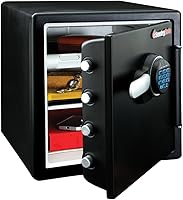
Fireproof Home Safes: A Plain Guide to Ratings and Sizes
Choose a fireproof home safe by matching its stated fire test, usable interior and lock to the items you need to protect. Measure the safe’s route and location, then check whether you need a separate water protection claim.
On this page (10 sections)
- What should you check in a fireproof home safe rating?
- How much space do you need inside a home safe?
- Is a fireproof home safe also waterproof?
- Which lock and access features suit your routine?
- Which safe size fits your home?
- Which fireproof home safe fits each buyer?
- What are four fireproof home safes like?
- How do you set up a fire safe at home?
- What common mistakes should you avoid?
- How do you choose the right fireproof home safe?
A fireproof home safe should fit the things you need to store, the location you have, and your expectations for fire protection. Compare the stated test conditions, inside and outside dimensions, lock style and any separate water protection claim before choosing.
Start with an inventory: papers, passports, digital media, jewelry or other valuables. Measure your largest item and the route to the safe’s intended location, then compare the options below.
For a product comparison focused on paperwork, see our best fireproof document safes for home. If you’re weighing what a fire rating can tell you, read whether fireproof safes work in a house fire.
What should you check in a fireproof home safe rating?
A fire rating describes performance under specific test conditions, so compare the temperature, duration and testing organization together. The words “fireproof” and “fire safe” alone do not describe how a safe was evaluated.
The SentrySafe SFW123GDC and SFW123CU are UL Classified for 1 hour at 1700°F. The Amazon Basics model complies with a modified UL 72 standard for 20 minutes at 1200°F, tested by Intertek.
Those are different claims. Choose based on the protection described for the safe and the items you plan to store, rather than treating every rating label as interchangeable.
SentrySafe describes the two SentrySafe models as protecting documents, valuables, DVDs and USBs. If digital media matters to you, check that the contents covered by a safe’s fire claim include the type you intend to store.
Which rating details matter most for a fireproof safe?
The standard, duration, temperature and covered contents are the useful details to compare. Look for a named classification or verification, and understand the conditions attached to it.
A fire test does not predict exactly what happens in every real fire. Exposure can differ by location, duration and building conditions, so consider a rating as one part of the decision.
Our fireproof safe ratings guide explains terms such as UL and ETL. It can help you tell a named test or classification from a broad claim.
Does a longer fire rating always make a safe the right choice?
A longer stated test duration can matter, but it does not settle the choice by itself. Choose a fire rating that fits your priorities, then check whether the safe fits your items, room and access routine.
A large cabinet can be difficult to place if the route is narrow or there is little room for the door. A smaller safe that fits your documents and location may serve you better than unused capacity.
Also consider how often you need access. A lock that feels simple to operate is useful only if you can follow its instructions and keep the combination or key plan secure.
How much space do you need inside a home safe?
Choose interior space based on your largest item and how you want to arrange everything. Capacity in cubic feet offers a broad comparison, but interior width, height, depth and shelves determine whether items fit.
A folder needs a different shape of space than a passport, keepsake or external drive. Group your items as you expect to store them, and allow room to take one out without emptying the safe.
| Safe | Stated capacity | Interior dimensions or depth | Useful fit note |
|---|---|---|---|
| SentrySafe SFW123GDC | 1.23 cu ft | 12.6 in wide x 11.9 in deep x 13.8 in high | Interior light and locking drawer |
| SentrySafe SFW123CU | 1.23 cu ft | 12.6 in wide x 11.9 in deep x 13.8 in high | Includes a shelf |
| First Alert 2087F | 0.94 cu ft | 14.5 in interior depth | Adjustable, removable shelf |
| Amazon Basics | 1.24 cu ft | 9.69 in interior depth | Adjustable shelf |
These models do not all provide the same set of interior measurements. Confirm the measurements that matter for your items, and check exterior dimensions, weight and door clearance before picking a spot.
How should you measure papers and valuables?
Measure each large item in the form you plan to store it, including a folder, protective case or envelope. If you intend to keep several items together, arrange them in a group and measure that group too.
A shelf or drawer can make small items easier to sort, but it can also divide the space available for tall folders. Check the clearance above and below a shelf, and consider whether you can remove it if the safe allows.
Leave enough room to retrieve what you store. Buying capacity for a real expected need is more useful than choosing a larger cabinet based on a vague chance that you may fill it someday.
Why check outside dimensions and weight?
Outside dimensions tell you whether the safe can reach its location and whether the door has room to open. Weight affects how you plan delivery and placement.
The SFW123GDC measures 16.3 in wide, 19.3 in deep and 17.8 in high. Its door needs 14.75 in of clearance to open fully, and it weighs 86.69 lb.
The Amazon Basics safe measures 14.17 in wide, 13.8 in deep and 19.67 in high. It weighs 30.38 kg, so plan for moving it before it arrives.
Measure doorways, stairs, turns and floor space. Include the room needed to open the door and follow the safe’s installation instructions for any other clearance.
Is a fireproof home safe also waterproof?
Fire resistance and water protection are separate features. Check for a specific water claim and its conditions instead of assuming that a fire rated safe also protects against floods.
The SFW123GDC and SFW123CU are ETL Verified for 24 hours in water up to 8 in deep. The First Alert 2087F is described as waterproof, but its product details do not state a depth and duration for that claim.
The Amazon Basics safe is not water resistant. If water is a concern, make that distinction part of your decision rather than relying on the fire rating.
Consider the location and the items inside. A safe in a basement may face different water risks from one kept upstairs, and documents or digital media may need added protection inside the safe.
Our guide to fire and water resistant safes explains how to compare separate protection claims.
Which lock and access features suit your routine?
Choose a lock you can use reliably, and consider whether a backup access method suits your household. Keypads and dial locks call for different routines, while lights, drawers and shelves affect how you organize what goes inside.
The SFW123GDC has a digital keypad and secondary locking key. The SFW123CU uses a preset dial combination, so it suits buyers who prefer a mechanical combination and do not need a programmable keypad.
The First Alert 2087F has a combination lock with an emergency override key. Amazon Basics uses a programmable electronic keypad and includes a backup key, but its battery is not included.
Keep combinations and keys secure, but make sure a trusted person can find the access plan if needed. For a battery powered lock, follow the instructions for battery type and replacement.
How do you choose between a keypad, dial and key?
Pick the lock type that matches how you want to access the safe. A keypad can make routine entry straightforward, while a dial avoids dependence on electronic access and batteries; a backup key can provide another access path where included.
A preset combination is not the same as a combination you choose yourself. If setting your own code matters, check that feature before buying, and store the code where it is secure but recoverable.
Our guide to keypad, dial and key safe locks compares the tradeoffs. Whichever style you choose, learn the opening sequence and keep the instructions available outside the safe.
Which safe size fits your home?
A compact safe can suit a focused collection of papers and valuables, while a larger cabinet can hold more categories together. Your inventory, floor space and delivery route should determine the size.
The First Alert 2087F has the smallest stated capacity of these four at 0.94 cu ft. The two SentrySafe models offer 1.23 cu ft, and the Amazon Basics model offers 1.24 cu ft.
Those capacity figures are close for three of the options, but their layouts, locks and protection claims differ. Compare interior measurements and features instead of assuming a small capacity difference means a better fit.
For a focused set of valuables and a smaller footprint, see our small fireproof safes for home. If your plans include multiple folders or larger items, our large fireproof safes for home covers larger options.
When is a document safe enough?
A document safe is enough when it fits your important papers and any other items you want to protect. Check folder size and interior layout before deciding by capacity alone.
Think about the papers you need to reach quickly, such as identity or property records, as well as papers you rarely need. A shelf may help keep small items separate, but it can limit the space available for tall documents.
Our guide to a fireproof safe for important papers covers record storage and size. If you plan to store digital media, check whether the fire claim addresses those contents.
When should you consider a larger safe?
Consider a larger safe if your inventory includes bulky keepsakes, multiple binders or items that need separate organization. Measure those items and compare them with the usable interior, including any shelf or drawer.
A larger safe needs a suitable place and a clear route for delivery. Check its weight, door swing and mounting instructions before settling on a model.
If your storage plan includes folders alongside smaller valuables, make a simple layout on paper first. That can reveal whether one shelf is enough or whether you need separate spaces for different items.
Which fireproof home safe fits each buyer?
The SFW123GDC suits buyers who want keypad access, a secondary key, interior light and a locking drawer. Its stated fire and water claims make it a fit for a household that wants both, provided the dimensions and door clearance work in the chosen location.
The SFW123CU suits buyers who prefer a dial combination and want a shelf for organizing items. It has the same stated capacity and fire and water claims as the SFW123GDC, but its preset combination does not offer the same access style.
The First Alert 2087F suits buyers who want a smaller stated capacity, a removable shelf and a combination lock with an override key. Its water description does not include the same depth and duration detail as the SentrySafe models, so choose it only if that information is sufficient for your needs.
The Amazon Basics model suits buyers who want an adjustable shelf and programmable keypad in a 1.24 cu ft safe. Its stated fire test is 20 minutes at 1200°F under a modified UL 72 standard, and it is not water resistant.
Skip any option whose interior shape cannot fit your largest item, even if the capacity number looks adequate. Also skip a safe you cannot place safely or access comfortably.
What are four fireproof home safes like?
These four options pair different fire claims and access features with similar mid-size capacities. Compare each to your measured items and installation space.
How do you set up a fire safe at home?
Set up a fire safe by planning its route, location, access and mounting before moving it into place. Measure first and follow the safe’s instructions for installation, batteries and any bolt down hardware.
Check that the safe fits through every doorway and turn on the way to its final location. Confirm that the door can open fully and that you have enough space to load and retrieve contents.
If you plan to bolt down the safe, confirm that the model supports it and that the floor or mounting point is suitable. The SFW123GDC includes bolt down hardware; use the instructions for that safe rather than improvising an attachment.
Choose a location you can access when you need it. Hiding a safe should not leave it blocked by stored items or so difficult to reach that you avoid using it.
What should you do before storing valuables?
Read the opening and installation instructions, set up access as directed, and make sure any required batteries are ready. The Amazon Basics model’s battery is not included, and SentrySafe recommends four high quality, name brand alkaline AAA batteries for the SFW123GDC.
Write down the combination or access plan and store it securely away from the safe. If a key is included, choose a separate place where it is protected and can be found by someone you trust.
Make an inventory of what goes inside. That list helps you find items quickly and notice if your needs change.
How should you organize contents?
Group items by how often you need them and place frequently used items where you can reach them easily. Keep papers flat and avoid stacking items so tightly that they press against the door or block a shelf.
Use suitable sleeves or containers to help keep papers organized. Keep copies of essential records elsewhere when practical, since one safe should not be your only copy of information that is hard to replace.
Leave room to remove items without unpacking the entire safe. If the safe has a shelf, check whether its position works for the largest objects before filling the lower and upper spaces.
What common mistakes should you avoid?
The most common mistake is choosing by the word “fireproof” or by capacity alone. Compare the actual test conditions and interior measurements, then check the lock, water protection and installation needs.
A few other errors can make an otherwise suitable safe frustrating to use:
- Ignoring the route and door clearance: Measure doorways, turns and the space in front of the safe before delivery.
- Assuming fire protection includes water protection: Check the water claim separately, including any stated depth and duration.
- Buying by cubic feet alone: Confirm that your largest folder, binder or device fits the interior.
- Treating all fire tests as equal: Compare the standard, temperature and duration instead of relying on a single label.
- Forgetting batteries or backup access: Check what the lock requires and keep its access plan secure.
- Overfilling the interior: Leave room to retrieve items and use shelves as intended.
- Relying on weight as theft protection: Follow mounting instructions if you want to secure the safe to a suitable point.
These checks take little time and can prevent fit and access problems after the safe is in place.
How do you choose the right fireproof home safe?
Choose a fireproof home safe by matching the fire test, interior layout, access style and location to your actual storage list. Pick the SFW123GDC for keypad access and added organization, the SFW123CU for a dial lock and shelf, the First Alert 2087F for its smaller stated capacity and removable shelf, or Amazon Basics if its shorter fire test and lack of water resistance fit your priorities.
Before deciding, measure your largest item, check the door route and clearance, and decide whether water protection matters. Then compare options in our fireproof document safe guide if paper storage is your main need.
Frequently asked questions
What does a 1-hour fire rating mean for a home safe?
A 1-hour rating describes a specific test under stated conditions. It does not guarantee that every house fire will leave the contents unharmed.
Compare the testing organization, temperature, duration and types of contents covered by the claim.
Keep copies of essential records elsewhere when practical.
How large should a fireproof home safe be?
Choose a safe that fits your largest document, keepsake or device, with space for the items you expect to add. Compare interior measurements and layout, then check outside dimensions, weight and door clearance.
Cubic feet alone will not tell you whether a folder or binder fits.
Are fireproof safes also waterproof?
Fire resistance and water protection are separate features. Some safes have a stated water protection claim, while others do not.
Check the conditions, such as depth and duration, and decide whether flood protection matters for your home.
Should I bolt down a home safe?
Bolting down a safe can make it harder to remove, but the right method depends on the safe and the floor. Follow its mounting instructions and confirm the installation point is suitable before drilling.
Weight alone is not a security plan.
Is a safe's fire rating the same as a burglary rating?
No. A fire rating concerns protection under a fire test, while burglary resistance concerns attempts to open or remove the safe.
Look for separate, clearly described security features and certifications.
A fire classification alone does not tell you how a safe performs against theft.